
Read the unit beside the number
A calorie figure needs a serving definition. Ounces, grams, pieces and packet weights describe different quantities. Read both together before comparing dishes. A smaller portion with fewer calories is not necessarily the same amount of food prepared differently. The portion label also explains why an adult entrée, a junior chicken selection and a catering tray cannot share one total just because they use a similar dish name.
Build a meal from its separate components
Write down the selected base, each entrée and any extra sauce, appetizer or drink. Add their relevant serving figures instead of assigning one dish’s number to the whole order. This simple method also reveals missing information: if a mixed base or beverage size is unspecified, the complete total is not yet established. Keep the estimate conditional until those quantities are clear rather than filling the gap with a nearby menu number.
Use junior figures for child-sized food
A Cub Meal uses its own component portions. The junior Orange Chicken and Teriyaki Chicken figures shown in this guide refer to specified chicken weights, not adult servings. The complete child-sized meal needs the actual base, fruit and drink added to those components. A fixed-looking number from an old meal photograph may describe a different combination, so check the current build before treating it as the total for every option.
Distinguish a side from a large container
A standard side weight provides a reference for one portion. A family container or a party tray holds a different amount, and its total requires that actual quantity. Do not label a whole tray with the single-serving number copied from the nutrition table. If a person serves themselves from shared food, their own amount is the relevant quantity for a personal estimate rather than the number of boxes on the table.
Count separate sauces carefully
Small condiment packets and larger dipping servings use different weights. Count each packet you use and the portion of a dipping sauce you consume. Also distinguish a separately added sauce from sauce already included in the listed entrée recipe. Adding the same sauce twice to the calculation overstates the total, while forgetting a separate dipping container can leave part of the meal uncounted.
Allow for recipe and serving variation
Official tables are references for stated recipes and standard servings. Hand-served amounts and changing recipes can affect what a particular order contains. A photograph is not a measurement. If a regional dish lacks a current identifiable nutrition listing, label the figure as a historical or unverified estimate instead of borrowing the number from an entrée with a similar appearance. That distinction is more useful than unsupported precision.
Keep ingredient questions separate
Calories describe energy for the indicated serving; they do not establish allergen suitability, vegan preparation or another ingredient requirement. Use current recipe and allergen information alongside the number when those concerns matter. Shared equipment can still be relevant to a lower-calorie or vegetable-forward choice. A complete comparison therefore combines the portion, the recipe, the other meal components and the local preparation information you need.
Frequently asked questions
Can two chicken entrées make a varied Plate?
Yes, if you want their different flavors. Compare a crisp choice with a grilled or vegetable-forward choice and count both servings with your base.
Are these current prices for my restaurant?
They are illustrative estimates. Select your restaurant and ordering channel to see the current total, including premium choices and any extra charges.
Does one entrée number cover the full meal?
No. Add the selected base, each entrée, additional sauce, appetizers and drink. Family containers and catering trays have different quantities.
Where should I check ingredients and allergens?
Use the official nutrition and allergen information and ask the restaurant about your specific order. Shared equipment means cross-contact can occur.
Conclusion
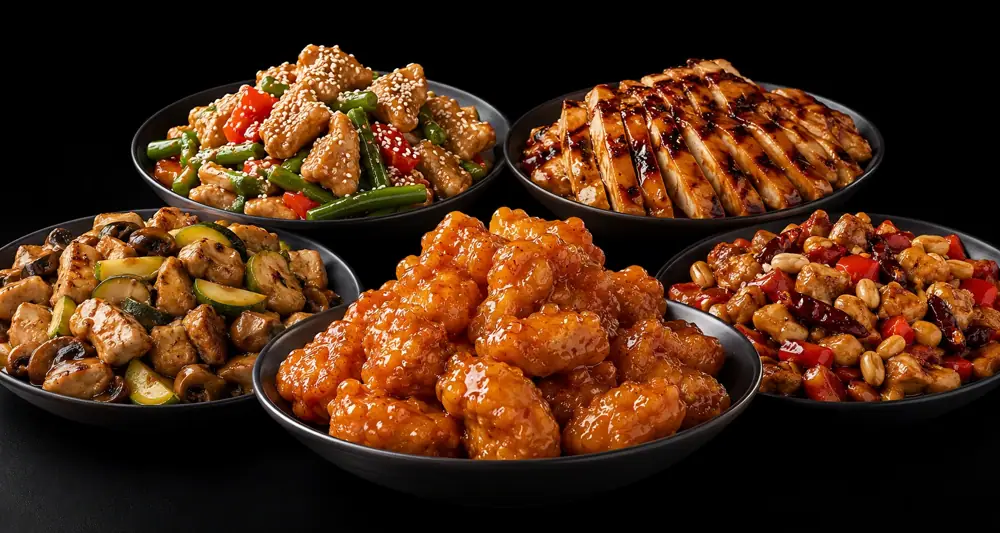
Use this Reading Panda Express Calories by Serving Size guide to compare the choices, serving information and ordering details that matter to your meal. Review the illustrated items alongside their portion labels, and treat price estimates as a starting point for comparison. The full Panda Express menu brings all categories together when you want to compare another meal format.
Confirm the current menu, prices and availability with your chosen restaurant before placing an order. Read how to check a local menu and how to read serving calories for practical next steps. Dietary and ingredient questions should be checked with the restaurant using its current official information.
Official Panda Express information
For current restaurant information and ordering, visit the official Panda Express website. Check official nutrition and allergens for the latest serving and ingredient details. This guide is independent and is not affiliated with the brand.