
Collect preferences before opening the menu
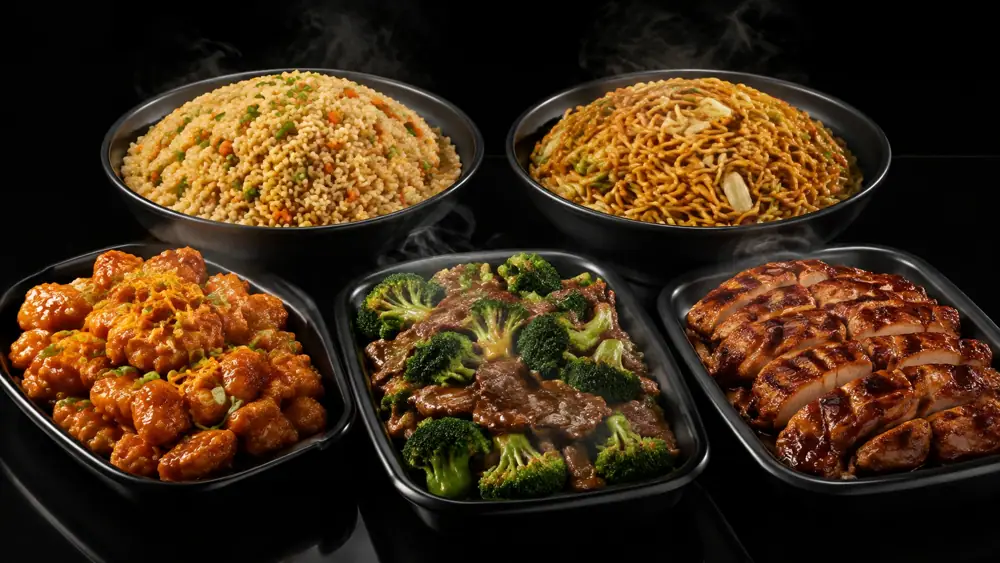
Ask the group which main flavors they want and whether any ingredients need checking. A short list of preferences makes the next decision easier than choosing several trays first and asking for approval afterward. Keep a familiar option in the conversation if the group has mixed tastes, while leaving room for a different texture or protein. The order should reflect the people sharing it rather than a fixed combination from a photograph.
Decide how the food will be served
A shared Family Meal uses large containers that people divide themselves. Individual meals give each person a separately chosen portion. Catering adds event-sized trays and requires a different quantity check. These formats can contain similar dish names while serving different purposes. Compare the actual container sizes and restaurant guidance before deciding that a larger number of entrée choices is enough to feed your group.
Choose bases with the group in mind
Two bases can offer a useful contrast, such as rice and noodles, when both are available. A vegetable option may also suit the group’s preferences. Do not assume that every person will take the same proportion of each side. When someone needs a personal calorie estimate, the serving they take matters more than dividing a hypothetical container total evenly by the number of people at the table.
Make premium choices visible
A steak or shrimp selection can change the shared-order price. Tell the group about the displayed surcharge before completing the order, and check whether it applies to the large container or another serving format. A premium charge shown for a standard Plate should not be substituted for the Family Meal or catering charge. Use the amount displayed for the actual shared format in the selected restaurant’s checkout.
Compare extras consistently
Drinks and appetizers can turn two apparently similar group orders into different baskets. If you are comparing a Family Meal with individual Plates, add the beverages and starters you want to both examples. Check sauce quantities and any included accessories as well. A package that excludes drinks or utensils is not directly comparable to another order that includes them, even when the main-food estimate looks lower.
Use clear serving and ingredient checks
Standard nutrition tables describe specific portions. They do not establish the total in every large container, nor the amount taken by each person. Shared serving utensils also matter when ingredients are a concern. Confirm current recipes and preparation with the restaurant, then keep the relevant food and utensils handled according to the guidance you receive. A vegetable-looking tray does not by itself establish a suitable allergy arrangement.
Review timing before paying
Check the pickup restaurant, date and time alongside the food list. For a larger gathering, confirm that the restaurant can provide the selected format at the required time. Read the package contents and the final amount once more before payment. If a dish is replaced because it is unavailable, review the replacement with the group instead of assuming that its flavor, ingredients and serving information match the original selection.
Frequently asked questions
Are the shown calories for a whole family container?
No. Food figures describe standard servings. A large container needs its actual quantity to establish a total.
Are these current prices for my restaurant?
They are illustrative estimates. Select your restaurant and ordering channel to see the current total, including premium choices and any extra charges.
Does one entrée number cover the full meal?
No. Add the selected base, each entrée, additional sauce, appetizers and drink. Family containers and catering trays have different quantities.
Where should I check ingredients and allergens?
Use the official nutrition and allergen information and ask the restaurant about your specific order. Shared equipment means cross-contact can occur.
Conclusion
Use this How to Plan a Shared Panda Express Order guide to compare the choices, serving information and ordering details that matter to your meal. Review the illustrated items alongside their portion labels, and treat price estimates as a starting point for comparison. The full Panda Express menu brings all categories together when you want to compare another meal format.
Confirm the current menu, prices and availability with your chosen restaurant before placing an order. Read how to check a local menu and how to read serving calories for practical next steps. Dietary and ingredient questions should be checked with the restaurant using its current official information.
Official Panda Express information
For current restaurant information and ordering, visit the official Panda Express website. Check official nutrition and allergens for the latest serving and ingredient details. This guide is independent and is not affiliated with the brand.